


Understanding Plastic Valves: A Key Component in Industrial Applications
Release time:
2026-02-07
Author:
Source:
Abstract
Plastic valves are increasingly becoming a preferred choice in various industrial applications due to their unique properties and advantages over traditional metal valves. These valves are constructed from different types of plastic materials, such as PVC, CPVC, and polypropylene, which offer various benefits like corrosion resistance, lightweight design, and cost-effectiveness.
One of the primary advantages of plastic valves is their resistance to corrosive substances. In industries where aggressive chemicals are used, metal valves may corrode, leading to leaks and equipment failure. Plastic valves, on the other hand, can withstand harsh chemicals and extreme pH levels, making them ideal for chemical processing, water treatment, and food production industries.
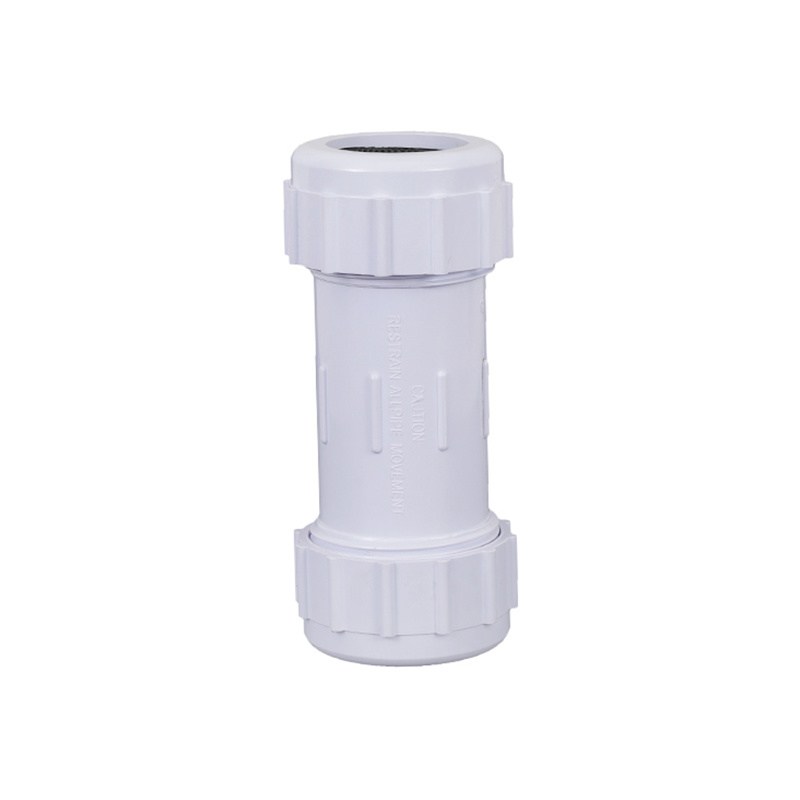
Another significant benefit of plastic valves is their lightweight nature, which simplifies installation and reduces the need for heavy-duty supports. This characteristic can be crucial in applications where weight is a concern, such as in mobile equipment or systems that require frequent maintenance. Furthermore, the ease of handling plastic valves can lead to reduced labor costs during installation and maintenance processes.
When it comes to thermal performance, plastic valves can operate effectively within a specific temperature range, which varies depending on the type of plastic used. It is crucial to understand the thermal limitations of the materials to ensure optimal performance and longevity. In instances where high-temperature applications are present, reinforced plastics or specialized high-performance polymers may be required.
Plastic valves also offer excellent sealing capabilities, which can minimize the risk of leaks in critical systems. These seals can be designed to fit snugly, providing a reliable barrier against fluid flow, thus ensuring safe operation. Additionally, the flexibility of plastic materials allows for various valve designs, including ball valves, butterfly valves, and gate valves, catering to different flow control needs.
In terms of cost, plastic valves are often more economical than their metal counterparts. This cost-effectiveness makes them an attractive option for businesses looking to optimize their operational expenses without sacrificing quality or performance. Furthermore, the longevity of plastic valves, when selected appropriately for their intended use, can lead to reduced replacement frequency and maintenance costs.
In summary, plastic valves play a vital role in various industrial applications, offering benefits such as corrosion resistance, lightweight construction, excellent sealing capabilities, and cost-effectiveness. Their adaptability to different environments and fluid types makes them a crucial component in the design of efficient and reliable industrial systems. Understanding the specific requirements of your operation will help in selecting the right type of plastic valve to meet your needs, ensuring optimal performance and safety.
Recommended Reading
Understanding Butterfly Valves: Functionality, Applications, and Advantages
2026-09-01
Installation Tips: Getting the Most Out of Your Ball Valves
2026-08-27
Understanding Check Valves: Essential Components for Industrial Fluid Control
2026-08-22
JUQIAO TECHO(CHANGSHA) CO LTD
1
Kin Yao
Phone/Wechat/Whatsapp :+86 19911349356
E-mail:kin@csjuqiao.com
Sunny Lee
Phone/Wechat/Whatsapp :+86 19918841746
E-mail:sunny@csjuqiao.com


