


Understanding Large Diameter Valves: Key Insights for Industrial Applications
Release time:
2026-01-14
Author:
Source:
Abstract
Large diameter valves play a crucial role in various industrial applications, particularly in sectors such as water management, oil and gas, and chemical processing. These valves are designed to handle large volumes of fluids with varying pressures and temperatures, making them essential for efficient system operations. Typically, a large diameter valve is defined as any valve with a diameter greater than 12 inches, although this can vary depending on specific industry standards.
One of the primary functions of large diameter valves is to regulate flow within pipelines. They can be used to either start or stop the flow of fluids, adjust flow rates, or redirect the flow path. This versatility is vital in industries where precise control of fluid dynamics is necessary for safety and efficiency. For instance, in water treatment facilities, large valves control the flow of water through treatment processes, ensuring that systems function optimally without risking contamination or overflow.
When selecting large diameter valves, several factors should be considered. The material of construction is one of the most significant factors, as it determines the valve's durability and compatibility with the transported fluid. Common materials include stainless steel, carbon steel, and various alloys, each offering different benefits depending on the application, such as corrosion resistance or strength under high pressure.
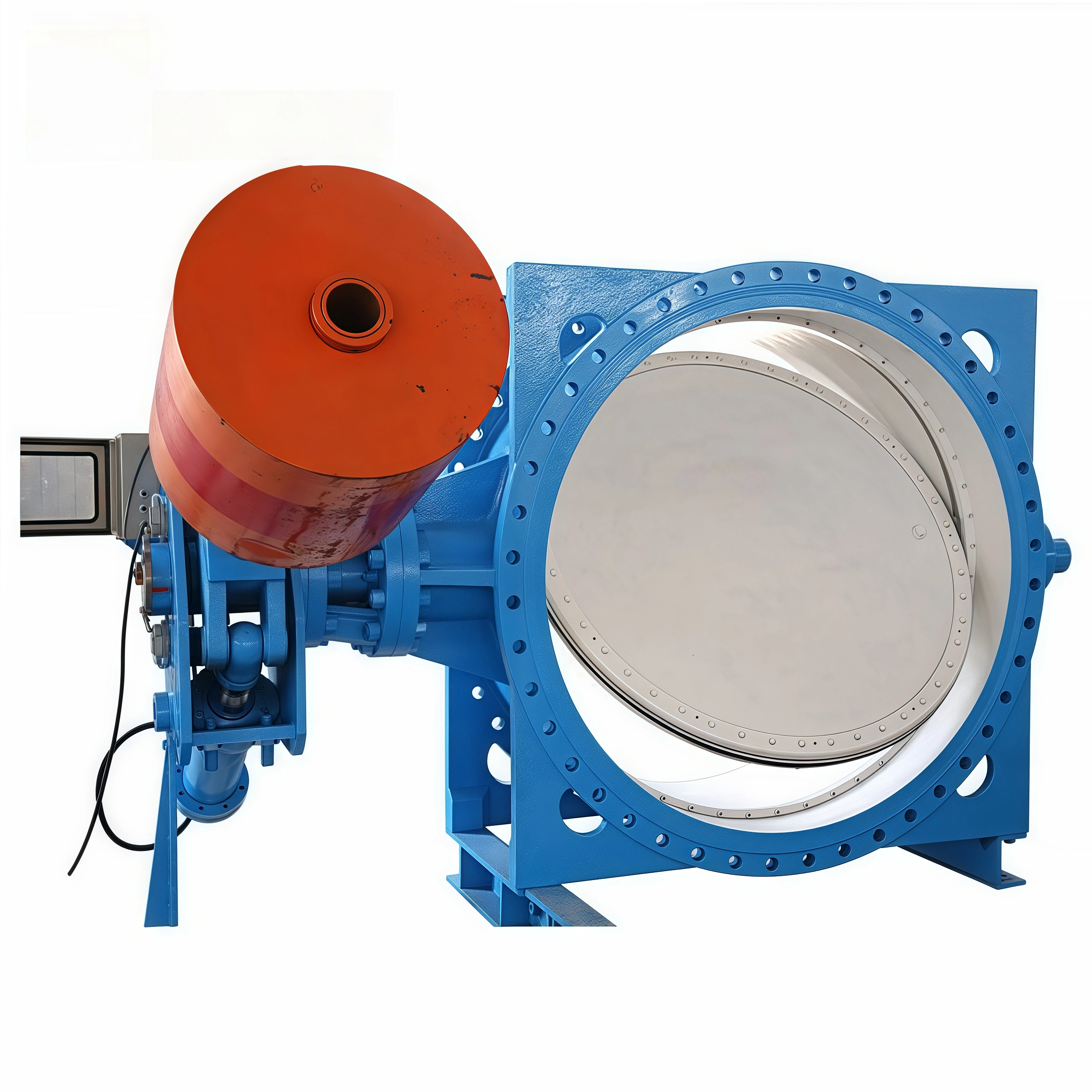
Additionally, the valve type—be it a gate valve, butterfly valve, or ball valve—will influence performance characteristics. Each type has its unique advantages. For example, gate valves are ideal for applications requiring minimal flow resistance when fully open, whereas butterfly valves are preferred in situations where space is limited, thanks to their compact design and lightweight structure.
Another essential aspect to consider is the valve's operational mechanism. Manual valves require human intervention for operation, while automated valves can be controlled remotely, offering enhanced efficiency and safety, especially in high-risk environments. Automation can significantly reduce the potential for human error and improve response times in emergencies.
Lastly, maintenance and inspection of large diameter valves are critical for ensuring longevity and reliability. Regular checks for wear and tear, leaks, and proper functioning can prevent costly downtime and enhance safety in industrial operations. Implementing a routine maintenance schedule can extend the lifespan of these valves and ensure they perform optimally under varying conditions.
In conclusion, large diameter valves are integral to the smooth operation of various industrial systems. Understanding their functions, types, and maintenance needs enables industries to make informed decisions, ultimately leading to safer and more efficient operations.
Recommended Reading
Understanding Butterfly Valves: Functionality, Applications, and Advantages
2026-09-01
Installation Tips: Getting the Most Out of Your Ball Valves
2026-08-27
Understanding Check Valves: Essential Components for Industrial Fluid Control
2026-08-22
JUQIAO TECHO(CHANGSHA) CO LTD
1
Kin Yao
Phone/Wechat/Whatsapp :+86 19911349356
E-mail:kin@csjuqiao.com
Sunny Lee
Phone/Wechat/Whatsapp :+86 19918841746
E-mail:sunny@csjuqiao.com


